+91-7624021071
 Download Brochure
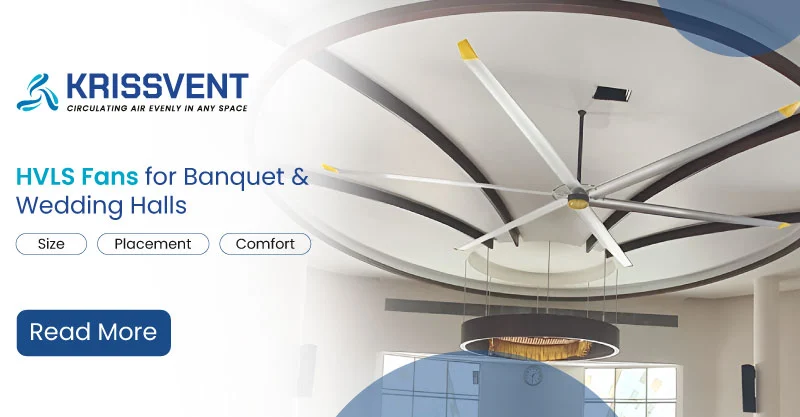
Banquet and wedding halls often have large open areas, high ceilings, decorative lighting, stages, and changing guest capacity. This makes airflow planning more important than simply choosing a large fan.
HVLS fans for banquet and wedding halls can help improve air circulation across wide indoor spaces, but fan size, placement, ceiling height, décor, HVAC layout, and acoustic requirements should all be checked before installation.
Why Use HVLS Fans in Banquet and Wedding Halls?
HVLS fans are designed to move a large volume of air at low speed across a broad area.
In banquet and wedding halls, they can help:
- Improve air circulation across guest seating areas
- Reduce stagnant and warm zones
- Support more consistent comfort during crowded events
- Improve air mixing in high-ceiling halls
- Work alongside air-conditioning systems
- Reduce dependence on multiple smaller fans
They are especially useful in large halls where guest density and heat load can change significantly from one event to another.
What Fan Size Is Suitable for a Banquet Hall?
The right HVLS fan size depends on more than the total floor area.
Check:
- Hall length and width
- Ceiling height
- Fan mounting height
- Guest seating layout
- Stage position
- Decorative ceiling elements
- Chandeliers and lighting
- HVAC ducts and diffusers
- Structural beams
KRISSVENT offers HVLS fans in different diameters, allowing selection according to the available ceiling space and required coverage.
| Hall Condition | Fan Selection Consideration |
|---|---|
| Smaller banquet hall | Smaller HVLS diameter may be sufficient |
| Medium open hall | Mid-size HVLS fan can provide wider coverage |
| Large high-ceiling hall | Larger HVLS fan may be suitable |
| Long or wide hall | Multiple fans may be required |
| Heavy ceiling décor | Placement and clearance become more important |
The final size should be selected after reviewing the complete ceiling and seating layout.
Where Should HVLS Fans Be Installed?
The fan should be positioned to cover the main occupied area without interfering with lighting, décor, or building services.
Before finalising placement, check for:
- Chandeliers
- Decorative ceilings
- Stage lighting
- Speakers
- Projectors
- HVAC ducts
- Sprinklers
- Structural beams
- Suspended décor
- Partition systems
For a simple open banquet hall, a central ceiling location may work well. Larger or irregular halls may need multiple fans for more even air distribution.
What About Chandeliers and Decorative Ceilings?
This is one of the most important checks in wedding and banquet halls.
Large chandeliers, false ceilings, hanging décor, floral installations, and lighting rigs can limit the available space for an HVLS fan.
Before installation, confirm:
- Available blade clearance
- Distance from chandeliers and lights
- Mounting structure
- Seasonal décor changes
- Safety clearance around the fan
The fan should be planned as part of the ceiling layout, not added after the décor is finalised.
Can HVLS Fans Work With Air Conditioning?
Yes.
HVLS fans can complement an existing air-conditioning system by helping circulate conditioned air through the hall.
A practical setup is:
Air Conditioning for Temperature Control + HVLS Fans for Air Circulation
This can be especially useful when a hall feels comfortable near AC outlets but warmer in central or crowded seating areas.
One Large Fan or Multiple HVLS Fans?
The answer depends on the shape and use of the hall.
A single large fan may suit:
- Open rectangular halls
- Clear central ceiling areas
- Uniform seating layouts
Multiple fans may be better for:
- Long halls
- Wide halls
- Multiple seating zones
- Pillars or partitions
- Large stages
- Complex ceiling décor
The objective is balanced airflow across guest areas, not simply installing the largest fan available.
What About Noise During Weddings and Events?
Noise matters in banquet halls because the space may be used for:
- Speeches
- Live music
- DJ events
- Ceremonies
- Presentations
- Corporate events
Fan selection should therefore consider both airflow and operating noise.
The fan should provide useful circulation without becoming noticeable during quieter parts of an event.
What Should You Check Before Installation?
Before installing HVLS fans in a banquet or wedding hall, confirm:
- Hall dimensions
- Ceiling and mounting height
- Seating layout
- Stage location
- Chandeliers and decorative elements
- HVAC ducts and diffusers
- Speaker and lighting positions
- Structural support
- Acoustic requirements
- Maintenance access
This makes fan selection and placement more accurate.
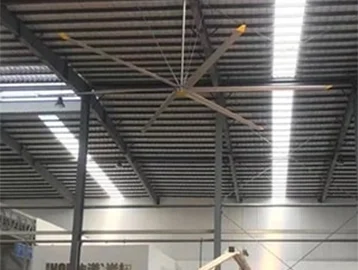
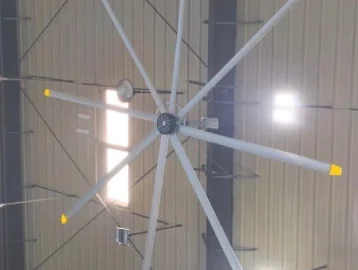
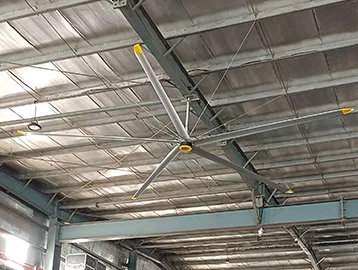
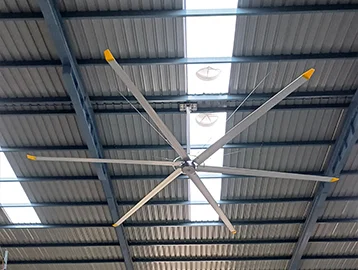
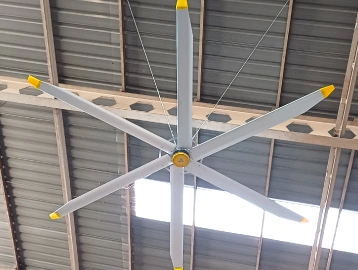
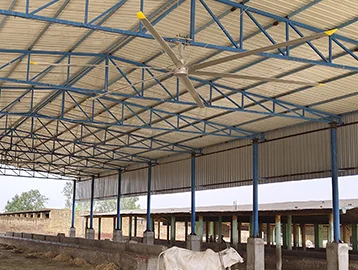
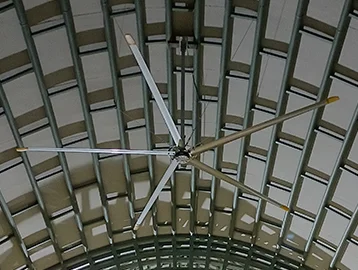
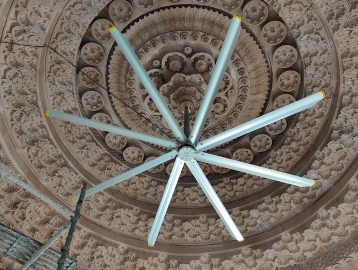
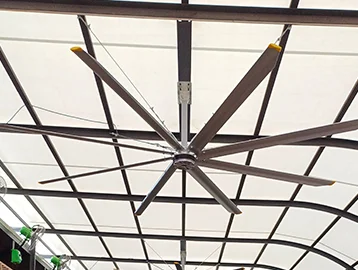
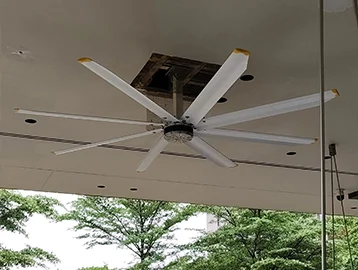
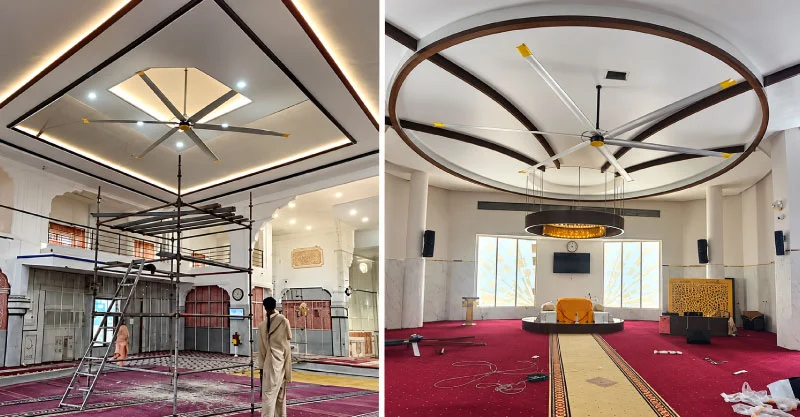
KRISSVENT HVLS Fan Installations in Banquet and Wedding Halls
Why Choose KRISSVENT HVLS Fans for Banquet and Wedding Halls?
KRISSVENT offers HVLS fans for large commercial and high-ceiling spaces.
For banquet and wedding halls, fan selection can be planned according to:
- Hall size
- Ceiling height
- Guest capacity
- Seating arrangement
- Decorative ceiling layout
- Existing HVAC system
- Required airflow
Instead of selecting a fan only by floor area, KRISSVENT can help evaluate the complete hall layout and recommend a suitable fan size, quantity, and placement.
Planning Airflow for a Banquet or Wedding Hall?
Share your hall dimensions, ceiling height, and ceiling layout with KRISSVENT to identify a suitable HVLS fan setup.
 +91-7624021071
FAQs
1. What size HVLS fan is suitable for a banquet hall?
2. Can HVLS fans be installed near chandeliers?
3. Can HVLS fans be used with air conditioning?
4. How many HVLS fans does a wedding hall need?
5. Are HVLS fans suitable for event halls with high ceilings?
Conclusion
HVLS fans for banquet and wedding halls can improve air circulation and guest comfort when the installation is planned around the actual hall design.
The most important factors are hall size, ceiling height, décor, chandeliers, seating layout, HVAC arrangement, and acoustic requirements.
For the best result, fan selection and placement should be finalised before the ceiling and event infrastructure are fully locked in.