+91-7624021071

 Download Brochure

Temples and prayer halls often accommodate large gatherings where hundreds or thousands of people sit together for extended periods. High ceilings, traditional architecture, decorative structures, and changing crowd density can make maintaining comfortable airflow challenging.
HVLS fans for temples and prayer halls help improve air circulation across large spaces by moving a high volume of air at low speed. However, proper fan size, placement, ceiling structure, and crowd movement should be considered before installation.
Why Use HVLS Fans in Temples and Prayer Halls?
Large prayer spaces usually have:
- High ceilings
- Large open areas
- Long seating arrangements
- High occupancy during events and festivals
- Limited air movement in certain zones
HVLS fans can help:
- Improve air circulation across large gathering areas
- Reduce warm and stagnant air pockets
- Provide more uniform comfort for devotees
- Support natural ventilation systems
- Complement existing cooling or HVAC systems
- Reduce dependence on multiple small fans
The objective is to create gentle and consistent airflow without disturbing the peaceful environment of the space.
What Size HVLS Fan Is Suitable for a Temple or Prayer Hall?
The right HVLS fan size depends on the hall layout rather than only the total floor area.
Important factors include:
- Prayer hall length and width
- Ceiling height
- Seating capacity
- Fan mounting height
- Pillars and architectural elements
- Decorative structures
- Existing ventilation system
KRISSVENT offers HVLS fans in different sizes, allowing selection based on the space requirement and airflow coverage.
| Prayer Hall Size | Fan Selection Consideration |
|---|---|
| Small prayer area | A smaller HVLS fan may be suitable |
| Medium hall | Mid-size fan for wider airflow coverage |
| Large temple hall | Larger HVLS fans or multiple units may be required |
| Multiple sections | Separate airflow zones may be considered |
The final fan quantity should be planned according to the actual layout.
Where Should HVLS Fans Be Installed in Prayer Halls?
Fan placement is important because temples and prayer halls often have unique architectural layouts.
Before installation, check:
- Main gathering area
- Seating arrangement
- Central open spaces
- Pillars and beams
- Decorative ceilings
- Chandeliers or hanging elements
- Lighting systems
- Speakers
- Ventilation openings
For open rectangular halls, fans may be positioned centrally to cover the gathering area. Larger or segmented prayer spaces may require multiple airflow zones.
How Do HVLS Fans Improve Comfort During Large Gatherings?
During festivals, prayers, ceremonies, and special events, occupancy can increase significantly.
More people inside the hall means:
- Higher body heat generation
- Reduced natural air movement
- Increased feeling of stuffiness
HVLS fans help circulate air throughout the occupied area, creating a more comfortable environment without producing the strong direct airflow associated with smaller high-speed fans.
Can HVLS Fans Work With Air Conditioning?
Yes.
HVLS fans can complement air-conditioning systems by helping distribute conditioned air more evenly throughout large prayer halls.
A practical approach is:
HVAC for Temperature Control + HVLS Fans for Air Circulation
This can help reduce uneven comfort where some areas feel cooler while others remain warmer.
How Many HVLS Fans Are Required for a Temple Hall?
The number of fans depends on:
- Total hall area
- Ceiling height
- Fan coverage
- Seating arrangement
- Architectural obstacles
- Existing ventilation system
- Required airflow pattern
A large open hall may require fewer strategically placed large fans, while halls divided by pillars, walls, or separate sections may require multiple fans.
The goal should be balanced airflow throughout the gathering area.
What Should Be Checked Before Installation?
Before installing HVLS fans in temples and prayer halls, evaluate:
- Hall dimensions
- Ceiling height
- Structural support
- Fan mounting location
- Decorative elements
- Lighting and sound systems
- Fire safety equipment
- Maintenance access
- Crowd movement areas
Planning these factors before installation helps maintain both safety and aesthetics.
HVLS Fans for Different Types of Prayer Spaces
HVLS fans can be considered for:
- Temples
- Meditation halls
- Community prayer halls
- Religious gathering spaces
- Large spiritual centres
- Assembly halls
Each space may require a different airflow approach depending on architecture and usage patterns.
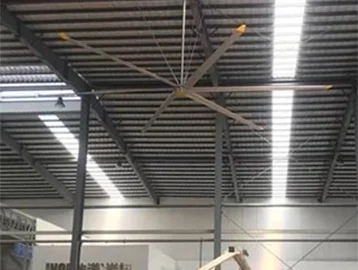
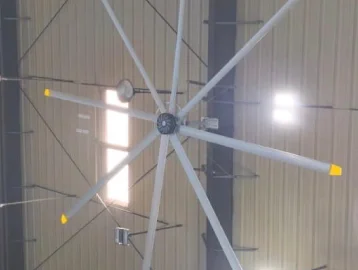
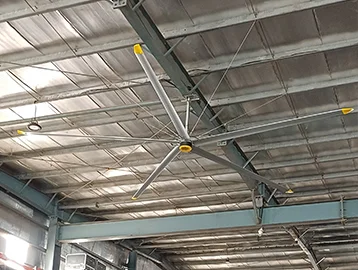
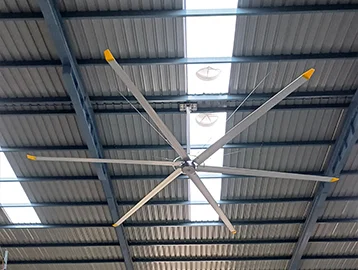
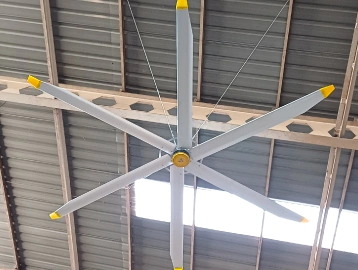
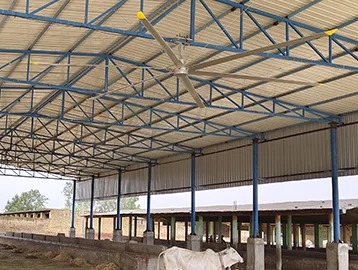
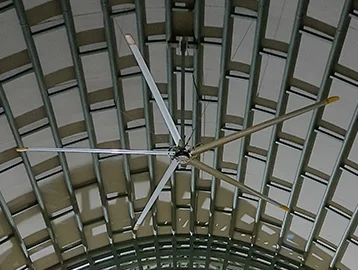
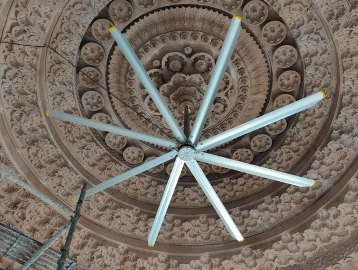
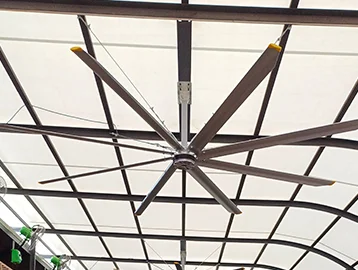
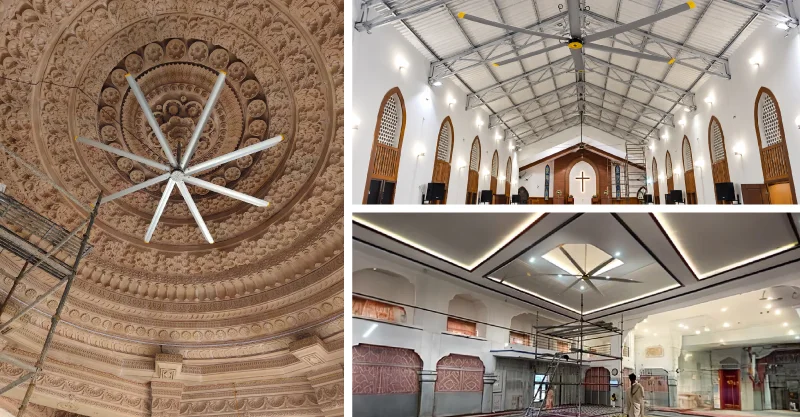
KRISSVENT HVLS Fan Installations in Temples and Prayer Halls
Why Choose KRISSVENT HVLS Fans for Temples and Prayer Halls?
KRISSVENT provides HVLS fan solutions for large indoor spaces where wide-area air circulation is required.
Fan planning can be based on:
- Hall dimensions
- Ceiling height
- Gathering capacity
- Architectural layout
- Airflow requirement
- Installation conditions
Instead of selecting fans only by hall size, KRISSVENT can help evaluate the complete space and recommend suitable fan size, quantity, and placement.
Planning Airflow for Your Temple or Prayer Hall?
Share your hall dimensions, ceiling height, and seating capacity with KRISSVENT to identify a suitable HVLS fan solution.
 +91-7624021071

FAQs
1. Are HVLS fans suitable for temples and prayer halls?
2. What size HVLS fan is required for a temple hall?
3. Can HVLS fans be installed in halls with high ceilings?
4. Can HVLS fans be used with air conditioning?
5. How many HVLS fans are needed for a prayer hall?
Conclusion
HVLS fans for temples and prayer halls provide an effective way to improve airflow in large gathering spaces while maintaining a comfortable and peaceful environment.
The key factors for successful installation are hall size, ceiling height, seating arrangement, architectural design, and fan placement.
A properly planned HVLS system helps create consistent airflow for devotees and visitors during everyday prayers as well as large gatherings.